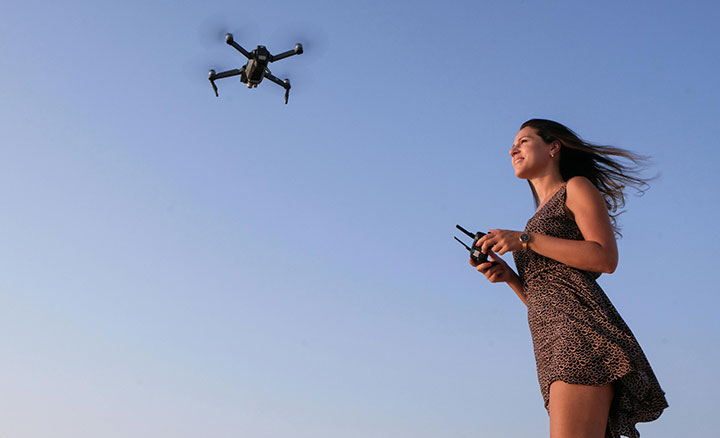
Drones are no longer just fun gadgets to play with. Today, they’re a major part of industries like agriculture, logistics, and emergency response. And with new Beyond Visual Line of Sight (BVLOS) regulations coming into play in Canada, drones are set to transform even more sectors. The catch? These new regulations will require a shift in how drone pilots are trained. Here’s what you need to know about the future of drone training and how you can prepare for BVLOS.
BVLOS: A Game Changer for Canadian Drones
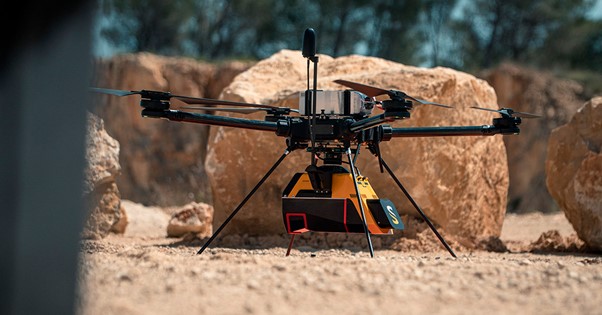
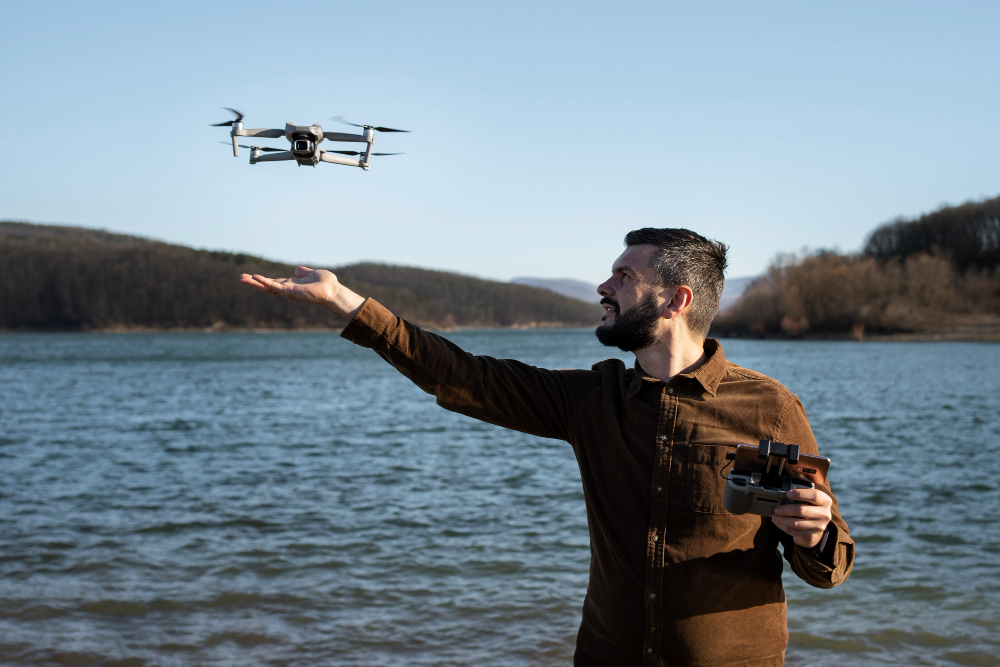
Right now, Canadian drone pilots can only fly their drones within their visual line of sight. While it’s safe, it’s also very limiting. BVLOS is set to change that. For those unfamiliar with BVLOS, it essentially allows drones to fly well beyond the pilot’s sightline. This opens up huge opportunities for long-distance flights, inspections, and even delivery services in remote locations.
But here's the kicker: flying drones outside of your line of sight isn’t as simple as pushing a button. Pilots need advanced skills to operate drones safely in these expanded ranges, and that’s where you need professional training.
The Changing Nature of Drone Training
Drone training will have to adapt as BVLOS becomes a reality. Operators will need more advanced skills to handle flights that are no longer confined to their visual range. Here are the core areas that drone training will focus on as BVLOS takes center stage.
- Mastering Advanced Flight Skills
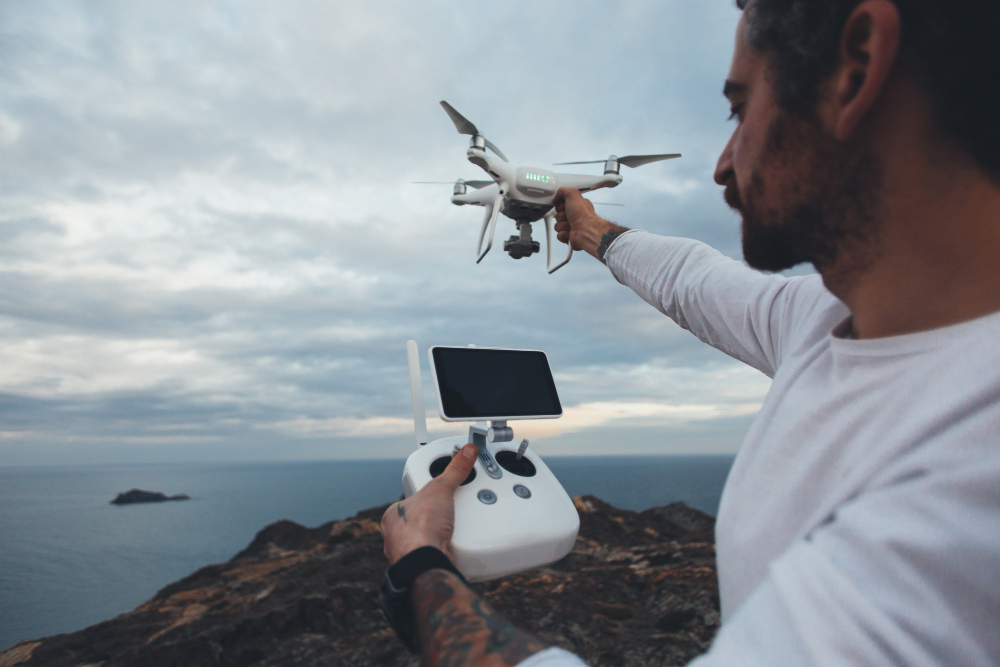
Piloting a drone beyond your line of sight isn’t just about control, it’s about efficiency and safety. BVLOS pilots will need to handle long-distance flights, make real-time adjustments, and navigate unexpected obstacles. They’ll also need to know when to take manual control if an automated system fails or encounters an issue. - Airspace Awareness
BVLOS operations require pilots to manage airspace more effectively. Pilots will need to be comfortable flying autonomously while sharing airspace with other aircraft, including commercial planes. Effective communication with air traffic control will be a must to understanding controlled and uncontrolled airspace. - Integrating Automation and AI
As drone technology advances, BVLOS operations will rely heavily on automation and AI. Pilots will need to be familiar with automated systems, including autopilot features and real-time obstacle detection. Instead of manually controlling every flight path, operators will work with AI to ensure safe and efficient operations. - Risk Management and Emergency Response
With BVLOS comes a higher level of risk. Pilots must be prepared for situations like losing signal, encountering severe weather, or facing unexpected obstacles. Proper training will ensure that pilots know how to react quickly and handle these risks effectively.
The Role of Simulators and VR in Drone Training
When you’re flying beyond your visual line of sight, you can’t afford to make mistakes. This is where you take the help of training simulators and virtual reality (VR). These technologies give pilots the chance to practice real-world BVLOS scenarios in a safe, controlled environment. Using VR, pilots can rehearse how to handle things like signal loss, obstacle avoidance, and emergency landings before they ever leave the ground.
What’s Next for Drone Operators in Canada?
The shift to BVLOS regulations is just around the corner, and it’s going to change the way drones are used in Canada. With new opportunities come new responsibilities, and if you want to be part of this exciting evolution, you’ll need to be ready to adapt.
Here are a few steps you can take today to get ready for BVLOS and get your advanced drone license:
- Get Your BVLOS Certification
If you’re not already BVLOS-certified, it’s time to start training. Certification programs are already available, and now’s the perfect time to get ahead of the curve. The sooner you’re trained, the sooner you can start taking advantage of BVLOS regulations.
- Learn More About Automation and AI
As drones become smarter, so will the systems they’ll use. Getting familiar with autopilot systems, AI-powered controls, and real-time decision-making will give you an edge in the job market.
- Stay Updated on Regulations
BVLOS regulations are still evolving, and it’s important to stay informed about any changes. Keep up with Transport Canada’s updates and adjust your trainings accordingly. An easy solution is to set a google alert for keywords like “BVLOS Canada” or “Transport Canada Drones.”
- Practice with VR Simulations
While it may not feel like the real thing, VR training is one of the best ways to simulate BVLOS scenarios. Simulators allow you to practice handling without the risks associated with actual flights.
Final Thoughts
The future of drone operations in Canada is full of exciting possibilities, especially with BVLOS regulations being introduced. The demand for skilled pilots will only continue to grow, so now is the perfect time to get trained and prepared. The Canadian Drone Institute offers expert-led BVLOS training that is aligned with Transport Canada’s latest standards. The courses help you in building real confidence and knowledge to handle whatever comes your way.Ready to get your advanced drone license? Visit thecanadiandroneinstitute.com to learn more and enroll in a program that sets you up for success. Let’s get you flying confidently into the future.